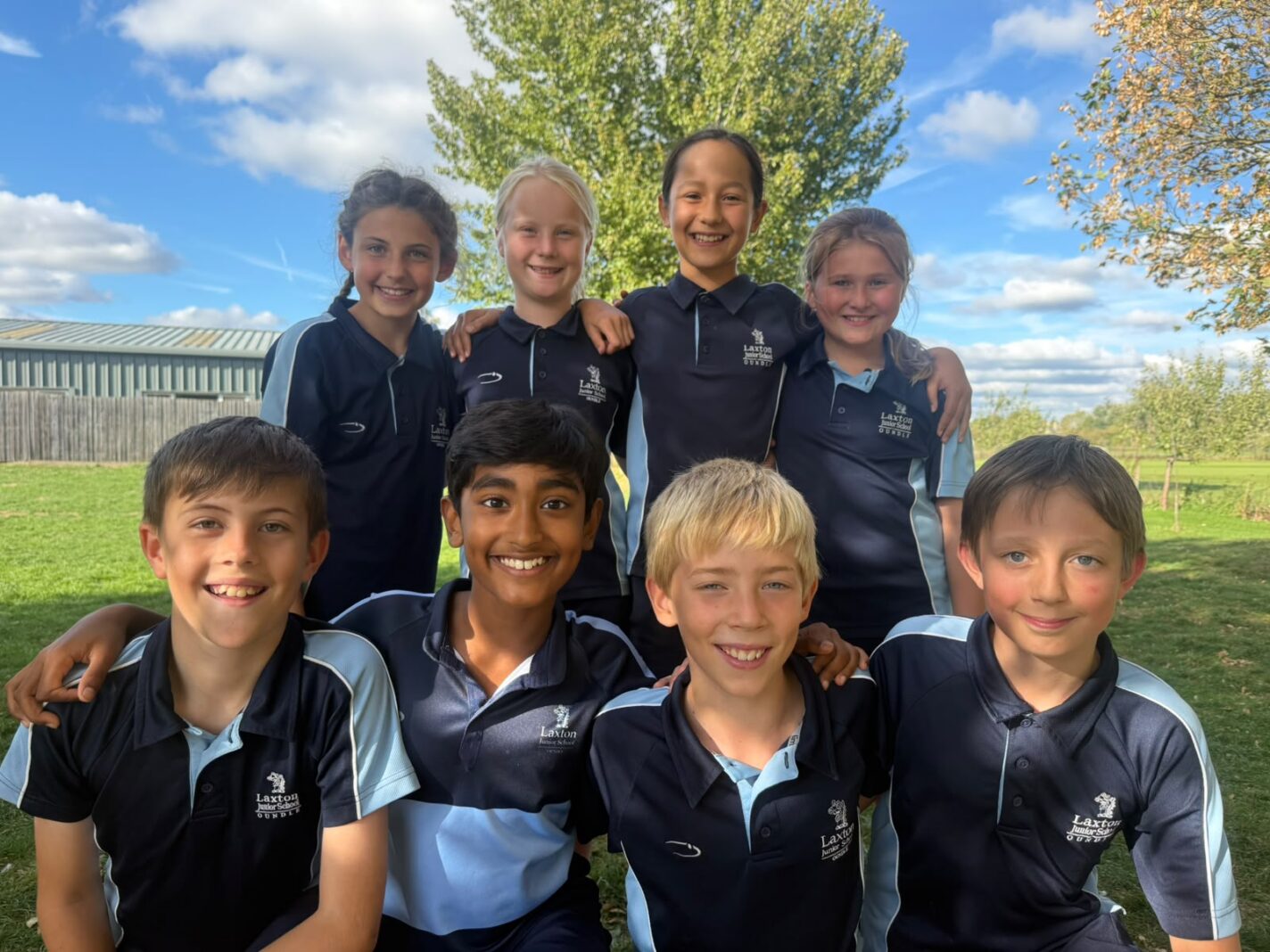

British Science Week provided a fantastic opportunity for Year 6 pupils at Laxton Junior School and Beachborough School to experience what real scientific collaboration looks like. Despite being 50 miles apart, Year 6 pupils worked together on a shared investigation exploring which natural substance is the clearest and most reliable indicator for distinguishing acids from alkalis.
What made this project particularly valuable was not simply the science itself, but the future-focused skills pupils developed throughout the process. Using Microsoft 365 Teams, pupils collaborated with peers they had never met before to discuss methods, agree testing criteria and ensure fair comparisons. In doing so, they experienced the importance of communication, teamwork and compromise, all essential life skills in an increasingly connected world.
Before practical work began, pupils carried out preliminary research into natural pH indicators, exploring plant pigments and compounds such as anthocyanins. This stage encouraged critical thinking and helped pupils understand how scientists use existing knowledge to make informed predictions and design investigations.
Across several lessons, pupils tested a wide range of natural materials including blackberries, blueberries, beetroot, rhubarb, red cabbage, hibiscus and butterfly pea petals. Following their investigations, both schools reconvened online to compare findings, discuss reliability and evaluate unexpected results.
Interestingly, both schools identified rose petals as one of the most effective indicators, particularly in dried form. Beachborough School also ranked rhubarb highly, while Laxton Junior School found red cabbage to be equally successful.
Most importantly, pupils demonstrated excellent scientific enquiry skills throughout the project: questioning results, reflecting on limitations, recognising the importance of repeat testing and considering next steps. These are the skills that help young people become adaptable problem-solvers and thoughtful collaborators, preparing them not only for future scientific study, but for life beyond the classroom.
Projects like this show how education can combine academic learning with the development of communication, collaboration and curiosity, qualities that will remain essential in the future workplace and wider society.
Thank you to Mrs Lisa Smith (Head of Science at Laxton Junior School) and Dr A Holder (Head of Science at Beachborough Prep School) for facilitating the collaboration between the two schools.